
Sailing is a passion that offers a unique sense of freedom with nature. For sea lovers, choosing between a motorboat vs sailboat is often a crucial decision. Each of these types of boats has advantages and disadvantages that meet different needs and aspirations. In this article, we’ll explore in depth the technical and lifestyle differences between motorboats and sailboats to help you make the choice that best suits your needs.
Mechanical Propulsion: Engine Power vs Wind Force

Motorboats rely on combustion engines to convert thermal energy (fuel) into mechanical thrust, ensuring reliable power and consistent speed regardless of weather conditions. This autonomy enables stable performance and precise maneuverability, crucial for docking or urgent missions. However, this efficiency comes with environmental costs: CO₂ emissions, noise pollution, and reliance on fossil fuels.
In contrast, sailboats harness aerodynamic forces, transforming wind energy into motion through strategic sail adjustments. This method demands harmony with the elements—sailors must anticipate wind shifts and adapt their course, which limits top speed but enables silent, carbon-neutral navigation. The absence of fuel reduces ecological impact and costs, though reliance on wind introduces an element of unpredictability.
Today, hybrid solutions are emerging, combining electric motors and sails to balance performance and sustainability. This evolution reflects a shift toward more responsible navigation without fully sacrificing modern conveniences.
Motorboat vs Sailboat : Speed and Autonomy
Motorboat:
Speed: Capable of maintaining high speeds (often above 20 knots), ideal for fast travel or situations requiring immediate response (rescue operations, competitions).
Autonomy: Directly dependent on fuel tank capacity and engine consumption. Powerful engines enable long-distance travel without interruption but require frequent refueling, increasing costs and environmental impact.
Sailboat:
Speed: Generally moderate (5 to 15 knots), with bursts under favorable winds. Speed fluctuates based on wind strength and direction, demanding constant adaptation.
Autonomy: Nearly unlimited in terms of fuel, as wind remains the primary energy source. However, windless conditions or unfavorable weather can immobilize the vessel, adding strategic complexity to voyage planning.
Motorboat vs Sailboat : Maneuverability and Draft
Motorboat:
Maneuverability: Excellent responsiveness due to directional engines (propellers, pods) and assisted propulsion systems (joystick control). Ideal for tight spaces (ports, marinas) or sharp turns.
Draft: Often deeper due to the weight of the engine and reinforced hull. Limits access to shallow areas or protected lagoons.
Sailboat:
Maneuverability: Less agile at low speeds, especially during port maneuvers, but offers stability in open seas. Reliance on wind and sails requires expertise to optimize routes (tacking, gybing).
Draft: Generally shallower, thanks to lightweight hulls and retractable keels (on some models). Allows exploration of coves, reefs, or estuaries inaccessible to traditional motorboats.
Summary:
Motorboats prioritize immediate performance and control, while sailboats emphasize harmony with natural elements and energy autonomy. Today, hybrid designs (solar sails, hydrogen-electric engines) aim to merge these advantages, offering versatile vessels that adapt to modern demands and ecological imperatives.
Motorboat vs Sailboat : Acquisition and Maintenance Costs
Motorboat:
Acquisition Cost: Typically high due to mechanical complexity (engine, electronic systems) and high-performance materials. Recent models with advanced technologies (direct injection, hybridization) further increase initial expenses.
Recurrent Costs: Heavy reliance on fuel (gasoline, diesel), subject to market price fluctuations. Regular maintenance (oil changes, filters, worn parts) and unexpected mechanical repairs (overheating, corrosion) inflate annual budgets. Rapid depreciation with intensive use can also lower resale value.
Sailboat:
Acquisition Cost: Varies based on age, size, and equipment. Used sailboats often offer better value for money, while new models with carbon hulls or high-tech features remain costly.
Recurrent Costs: Low energy expenses (free wind), but specialized upkeep: sail replacement (UV and friction damage), rigging inspections (cables, mast), and hull maintenance. Absence of a combustion engine reduces mechanical costs, but antifouling treatments and electronic systems (GPS, depth sounders) require dedicated funds. Proper upkeep preserves heritage value, especially for classic sailboats.
Summary Motorboat vs Sailboat :
Motorboats require significant upfront investment and high operational costs but guarantee on-demand availability and performance. Sailboats, though potentially costly upfront depending on category, offer long-term savings through wind energy, offset by specialized technical maintenance. Hybrid innovations (solar batteries, efficient propulsion) aim to balance financial accessibility and energy efficiency, reflecting a navigation style more attuned to economic and ecological challenges.
Motorboat vs Sailboat : Onboard Technologies
Motorboat:
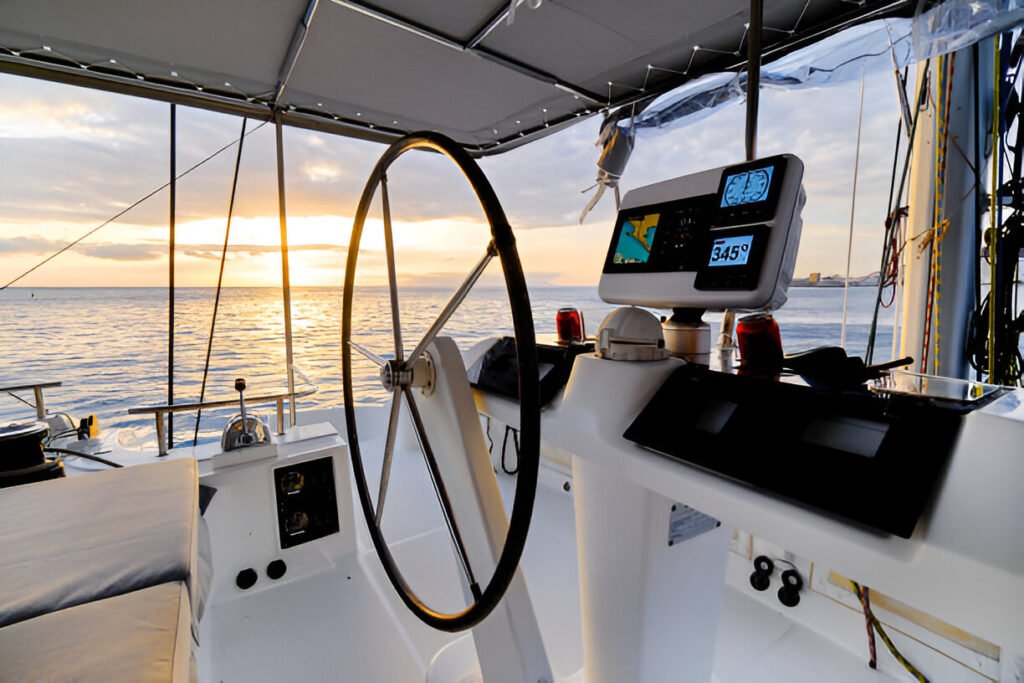
Navigation Systems: Advanced technologies include high-precision GPS, radar, depth sounders, and integrated electronic charts. Touchscreen interfaces centralize control of propulsion, lighting, and safety equipment (AIS, VHF).
Assisted Maneuverability: Joystick control for intuitive handling (sideways movement, pivoting), paired with bow or stern thrusters. Gyroscopic or fin stabilizers minimize rolling.
Propulsion: Electronically injected, hybrid, or electric engines optimized for fuel efficiency. Some models feature lithium-ion batteries and solar panels for partial clean-energy autonomy.
Sailboat:
Aerodynamic Optimization: Sails made from high-tech materials (carbon, Dyneema) to reduce rigging weight and maximize wind capture. Wind sensors and routing software (Windy, PredictWind) to plan optimal courses.
Hydrodynamics: Hulls designed to minimize drag, streamlined appendages (daggerboards, keels), and retractable foils to enhance speed and stability.
Energy Autonomy: Solar panels, onboard wind turbines, or hydrogenerators to power electronic instruments (GPS, autopilot) without relying on fuel.
Summary Motorboat vs Sailboat :
Motorboats focus on technologies emphasizing power, precision, and comfort, with advanced automation to simplify navigation. Sailboats, though less automated, leverage innovations centered on wind efficiency and energy self-sufficiency, aligned with eco-conscious principles. Both worlds now converge toward connected solutions (IoT, real-time weather data) and hybrid propulsion, reflecting a marine industry transitioning toward a balance between high-tech performance and ecosystem preservation.
Motorboat vs Sailboat: Lifestyle Comparison
Navigation Sensations and Enjoyment
Motorboat:
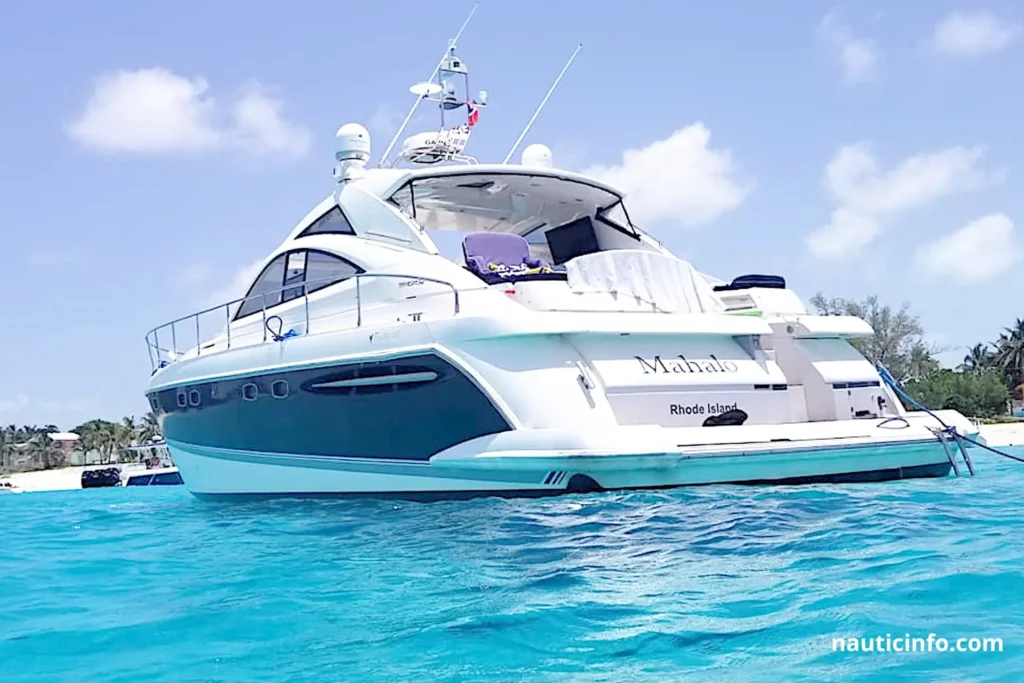
Speed and Power: A thrilling experience, ideal for adrenaline seekers (water sports, racing, rapid coastal exploration). The ability to reach distant destinations quickly appeals to time-pressed travelers or anglers targeting remote fishing spots.
Modern Comfort: Air-conditioned cabins, equipped lounge areas (kitchen, bathroom), and entertainment tech (Bluetooth speakers, TV screens). Perfect for family outings or luxury cruises.
Noise and Vibrations: Engine rumble and vibrations can disrupt tranquility, limiting quiet moments or wildlife interactions.
Sailboat:
Silence and Harmony: Sailing offers sensory immersion – the ripple of water, the wind’s whisper in the sails, and absence of noise pollution. Ideal for meditation, dolphin watching, or bird spotting.
Freedom and Adventure: A direct bond with the elements, where every maneuver (hoisting sails, adjusting angles) becomes a rewarding challenge. Travelers cherish the slow pace, enabling deeper connection with landscapes.
Intentional Simplicity: A lifestyle embracing minimalism – onboard meals, nights anchored in secluded coves, and reliance on manual skills over technology.
Summary Motorboat vs Sailboat :
The motorboat embodies a lifestyle focused on modernity, instant comfort, and efficiency, suited for those prioritizing time and active leisure. The sailboat, conversely, appeals to adventurous and contemplative spirits, seeking harmony with nature and an escape from land-based hustle. Today, hybrid vessels (sail-powered catamarans, electric sailboats) aim to blend these philosophies, offering silence and autonomy without sacrificing luxury, reflecting a shift toward versatile, sustainable nautical experiences.
Types of Sailing and Preferred Destinations
Motorboat:
Types of Navigation:
Day Trips: Ideal for quick getaways, sport fishing, or water sports (skiing, wakeboarding).
Inter-port Travel: Perfect for connecting coastal towns or nearby islands (e.g., French Riviera, Caribbean) within hours due to high speed.
Coastal Cruising: Suited for routes along well-equipped coastlines with marinas and fuel stations.
Preferred Destinations:
Accessible tourist areas (urban bays, nearby islands like the Hyères Islands or Miami Keys).
Nautical events (powerboat regattas, sea festivals).
Advantages: Time flexibility, access to modern infrastructure (yacht clubs, coastal restaurants).
Sailboat:
Types of Navigation:
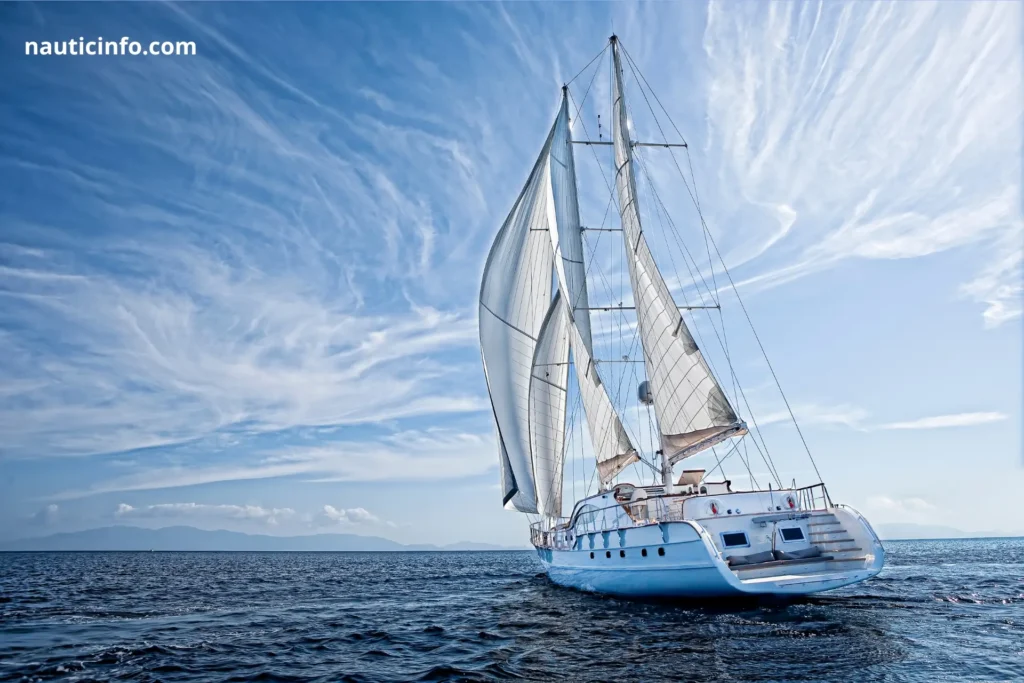
Coastal Cruising: Leisurely exploration of coastlines, anchoring in secluded coves (e.g., Greece, Brittany).
Bluewater Sailing: Ocean crossings (Atlantic, Pacific) or long-term voyages requiring extended self-sufficiency.
Eco-conscious Cruising: Routes tailored to prevailing winds (trade winds, mistral) for energy-efficient travel.
Preferred Destinations:
Pristine areas (remote archipelagos like Seychelles, Norwegian fjords).
Marine reserves (e.g., Mediterranean, Polynesia) where silence and low impact are crucial.
Advantages: Access to sites unreachable by large vessels, immersion in untouched ecosystems.
Summary:
The motorboat reigns for fast-paced, connected navigation, favoring high-traffic tourist destinations and active leisure. The sailboat, conversely, embodies the art of slow, contemplative travel, unlocking access to wild landscapes and off-the-beaten-path experiences. Today, hybrid catamarans (sail and motor) or electric-assisted sailboats aim to bridge these approaches, enabling silent travel to protected areas while retaining backup power for windless conditions or urgent journeys.
Comfort and Onboard Amenities
Motorboat:
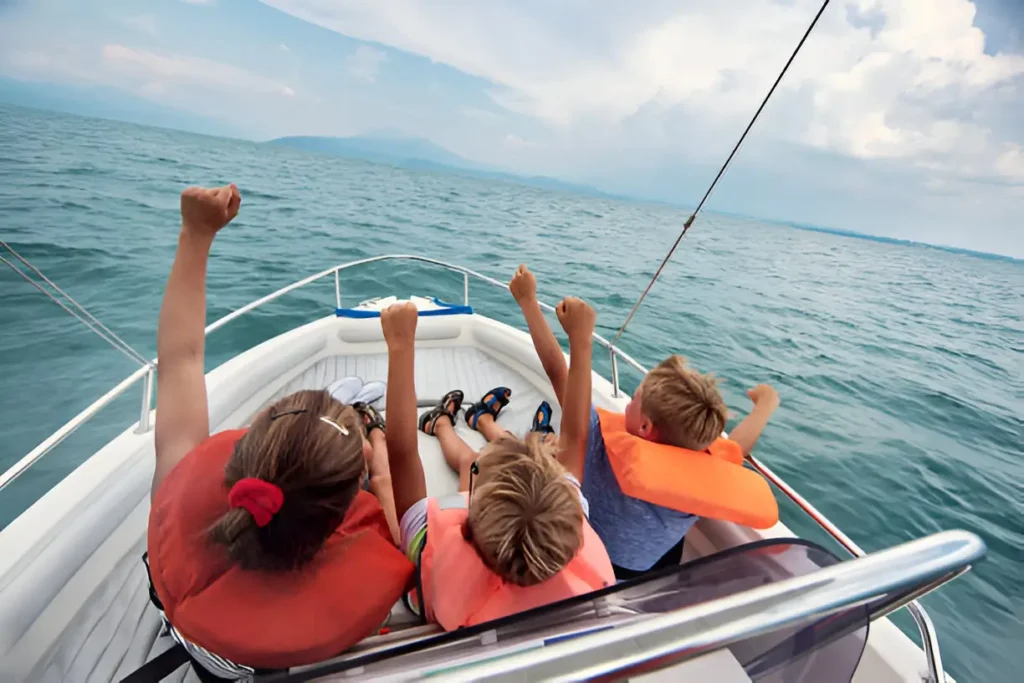
Spacious Living Areas: Interior design focused on volume, with roomy cabins, modular lounges, and full kitchens (oven, stove, fridge). Ideal for extended stays with groups or families.
Modern Amenities: Air conditioning, ensuite bathrooms, entertainment systems (home theater, Bluetooth speakers), and ergonomic helm stations.
Stability and Smooth Sailing: Wide hulls and stabilization systems (fins, gyroscopes) minimize motion, ensuring comfort even in rough seas.
Sailboat:
Space Optimization: Compact yet clever layouts (convertible berths, integrated storage), prioritizing lightness and functionality.
Functional Simplicity: Basic but efficient galley kitchens, marine toilets, and communal areas fostering social interaction. Emphasis on outdoor living (protected cockpit, open decks).
Harmony with Nature: Use of natural materials (wood, breathable fabrics) and solar lighting for a warm, eco-friendly ambiance.
Summary:
Motorboats prioritize luxury and practicality, transforming vessels into floating homes with modern comforts. Sailboats, though less lavish, deliver an authentic living experience focused on simplicity and connection with the sea. New-generation vessels (sailing catamarans with lounge spaces, electric sailboats) aim to merge these worlds, offering spacious cabins and green tech to meet the demands of sailors seeking both comfort and sustainability.
Environmental Impact
Motorboat:
Polluting Emissions: Fossil fuel combustion (gasoline, diesel) releases CO₂, nitrogen oxides (NOx), and fine particles, contributing to climate change and marine pollution.
Noise and Water Pollution: Engine noise disrupts marine life (cetaceans, fish), with risks of oil or fuel leaks harming ecosystems.
Dependence on Non-Renewables: Oil extraction and refining involve environmentally damaging practices (oil spills, offshore drilling).
Sailboat:
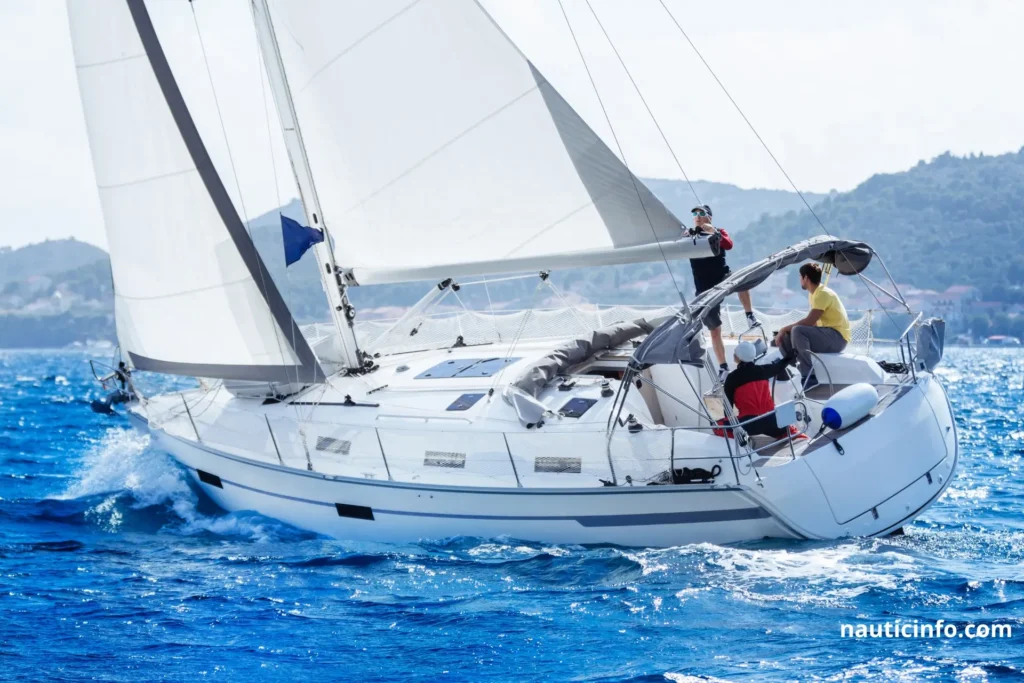
Clean Energy: Primarily wind-powered, with no direct greenhouse gas emissions. Carbon footprint is limited to vessel construction and maintenance.
Low Ecosystem Impact: Silent navigation preserves marine life, and absence of toxic discharges (except occasional auxiliary engine use).
Residual Ecological Challenges: Antifouling paints (biocides), synthetic sail materials (polyester, nylon), and onboard waste management.
Summary:
Motorboats, while efficient and comfortable, significantly contribute to environmental degradation through carbon emissions and marine ecosystem disruption. Sailboats, though greener, are not fully neutral, requiring innovations to minimize construction and equipment impacts. Recent advances (recyclable sails, eco-friendly antifouling, solar-electric engines) enhance sailing’s eco-potential, while hybrid or hydrogen propulsion aims to reduce motorboats’ footprint, paving the way for ocean-friendly navigation.
Nautical Community and Culture
Motorboat:
Social Events and Festivities: A community focused on convivial gatherings (marina cocktail parties, fishing tournaments, owner meetups). Luxury boat shows (e.g., Cannes Yachting Festival) and powerboat races (poker runs) highlight speed and opulence.
Innovation Culture: Shared enthusiasm for cutting-edge tech (hybrid engines, smart gadgets) and avant-garde designs, reflecting a lifestyle centered on modern comfort and status.
Accessibility and Family Leisure: Popular for ease of use, attracting casual boaters prioritizing leisure, water sports (jet skiing, wakeboarding), or friend-focused outings.
Sailboat:
Historical Passion and Mentorship: Culture rooted in maritime heritage, with rituals (sailing baptisms, sea festivals) and iconic schools (Les Glénans). Legends like Moitessier or Tabarly inspire reverence for seafaring traditions.
Crew Spirit and Collective Adventure: Races (Tour de Belle-Île, Route du Rhum) and ocean crossings foster camaraderie. Onboard life demands teamwork, forging unbreakable bonds.
Eco-Conscious Ethos: A community committed to ocean preservation, advocating eco-sailing (sail recycling, zero-waste practices) and low-tech solutions.
Summary:
The motorboat community embodies a modern lifestyle blending luxury, tech, and accessible leisure, ideal for those prioritizing instant comfort. Sailboats foster a culture rooted in collective adventure and maritime reverence, appealing to those seeking both sailing and belonging to a seafaring legacy. Today, hybrid initiatives (clubs mixing sail and electric power) aim to bridge these worlds, but each community’s essence remains distinct: one celebrates harnessed power, the other, a dialogue with nature.
Which Boat for Which Purpose?
- For Day Trips and Water Sports
Motorboat:
Speed and Responsiveness: High speed (20+ knots) for quick getaways.
Specialized Equipment: Storage for gear (water skis, wakeboards), practical swim platforms.
Stability at Rest: Wide hull ideal for static activities (fishing, swimming).
Sailboat:
Possible but Less Suitable: Speed depends on wind, lacks dedicated space for motorized sports.
- For Coastal and Offshore Cruising
Sailboat:
Energy Autonomy: Long-distance travel without fuel, ideal for eco-friendly voyages.
Immersive Experience: Access to secluded coves or historic maritime routes (e.g., spice routes).
Motorboat:
Limited to Planned Routes: Reliance on fuel stations, best for well-equipped coastal routes.
- For Fishing and Diving
Motorboat:
Precision and Mobility: Directional engines for precise positioning on fishing/diving spots.
Technical Gear: Fish finders, live wells, and LED lighting for night fishing.
Sailboat:
Practical Limitations: Deck space cluttered by rigging, slower speed for remote spots.
- For Onboard Living
Sailboat:
Minimalism and Connection: Design focused on essentials, emphasis on outdoor areas (cockpit, foredeck).
Natural Rhythm: Adaptation to wind and light cycles, promoting a peaceful lifestyle.
Motorboat:
Domestic Comfort: Soundproof cabins, full bathrooms, and air conditioning for urban-like stays.
Key Factors for Choosing
- Initial Budget and Operating Costs
Motorboat: Average purchase cost: €50,000 – €1M+. Annual expenses (fuel, maintenance): €5,000 – €50,000.
Sailboat: Average purchase cost: €20,000 – €500,000. Annual expenses (sails, antifouling): €2,000 – €20,000.
- Experience and Sailing Skills
Motorboat: Coastal license sufficient for small models. Quick learning curve (few days).
Sailboat: Offshore certification required. Mastery of rigging and weather essential.
- Preferences for Comfort and Navigation Style
Motorboat: Ideal for tech enthusiasts, families, or active leisure seekers.
Sailboat: Perfect for adventurers, eco-conscious sailors, or those seeking total disconnection.
- Regulations and Navigation Zones
Motorboat: Restricted in protected areas (e.g., no-anchoring zones).
Sailboat: Privileged access to marine reserves (e.g., Mediterranean) due to shallow draft.
Summary
For Motorboats:
Strengths: Speed, modern comfort, suitability for sports and families.
Limits: High costs, environmental impact, reliance on infrastructure.
For Sailboats:
Strengths: Autonomy, low carbon footprint, access to pristine landscapes.
Limits: Variable speed, steep learning curve, spartan comfort.
Hybridization: Sail-motor catamarans or electric sailboats (e.g., Oceanvolt) blend moderate speed and silence, expanding possibilities without sacrificing each practice’s essence.
Motorboat vs Sailboat: Decision Checklist
Primary Use: Leisure vs long-term travel.
Budget: Sailboats are more economical long-term.
Ethics: Environmental impact vs immersive experience.
Skills: Time investment in learning.
Choosing means compromise… but above all, it means embarking on the adventure that suits you.
“The sea is the same desert where man never takes more than himself.” – Antoine de Saint-Exupéry
Conclusion
Choosing between a motorboat and a sailboat transcends mere nautical preference—it reflects a commitment to a lifestyle, a philosophy of navigation, and a relationship with the sea. Motorboats allure with their power, instant comfort, and ability to meet modern demands for speed and active leisure. Conversely, sailboats captivate through harmony with the elements, energy autonomy, and an invitation to slow down and immerse in natural landscapes and rhythms.
While motorboats symbolize technological mastery and practicality, sailboats embody authentic adventure and intentional simplicity. Current environmental challenges drive the marine industry to innovate, with hybrid solutions (solar sails, electric propulsion) bridging performance and sustainability. Yet beyond technical specs, your connection to the sea, priorities (comfort vs. exploration), and ethics will steer your choice.
Whether you embrace the roar of an engine or the whisper of wind in sails, the essence lies in sailing toward the horizon that mirrors your spirit.