
A Comprehensive Guide for Boating Enthusiasts
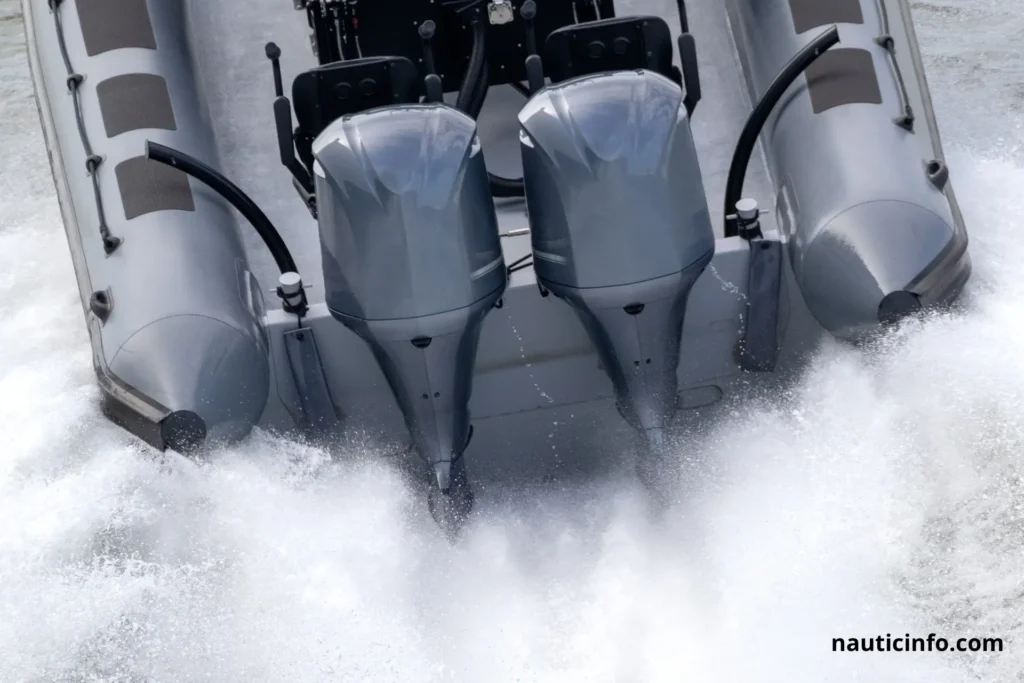
Gasoline outboard motors are a cornerstone of recreational boating, offering power, reliability, and versatility for a wide range of vessels. Whether you’re an experienced boater or considering buying your first boat, understanding the nuances of gasoline-powered outboards is essential. This article explores the features, advantages, types, maintenance requirements, and innovations surrounding gasoline outboard motors.
What Is a Gasoline Outboard Motor?
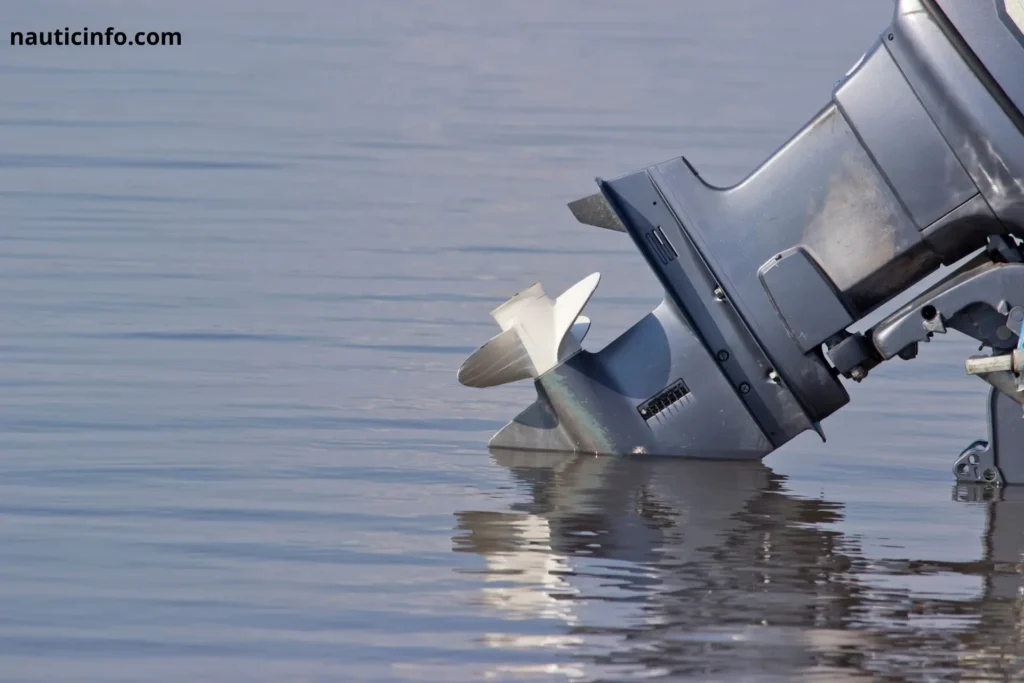
A gasoline outboard motor is an external propulsion system mounted on the transom of a boat. It combines the engine, transmission, and propeller into one compact unit. This design allows for easy installation and maintenance while providing excellent maneuverability. Outboards can be tilted or raised to protect the propeller in shallow waters or during transport.
Gasoline-powered outboards are commonly used for small to medium-sized boats such as fishing vessels, pontoons, inflatables, and even sailboats as auxiliary engines. They are prized for their ability to deliver high performance over long distances, making them ideal for coastal cruising or navigating strong currents.
Types of Gasoline Outboard Motors
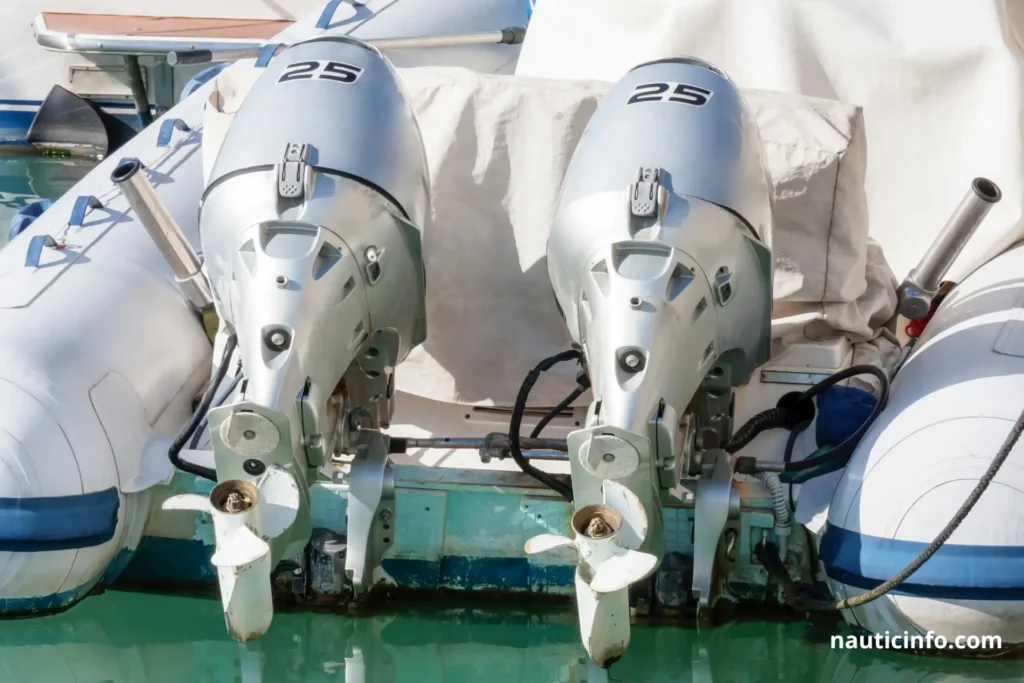
Modern gasoline outboard motors come in various configurations, each designed to meet specific needs:
- Two-Stroke Engines: These engines burn a mixture of oil and gasoline. Historically known for their power-to-weight ratio, modern two-strokes with direct fuel injection (DFI) have improved fuel efficiency and reduced emissions.
- Four-Stroke Engines: Four-stroke outboards operate similarly to car engines, using separate systems for oil lubrication and gasoline combustion. They are quieter, more fuel-efficient, and environmentally friendly compared to traditional two-strokes.
- Direct Fuel Injection (DFI): DFI technology injects fuel directly into the cylinders, optimizing combustion efficiency. This innovation reduces fuel consumption and emissions while enhancing performance.
- Electronic Fuel Injection (EFI): EFI systems precisely control the fuel-air mixture entering the cylinders, ensuring smooth operation and better acceleration6.
Leading manufacturers like Yamaha, Mercury, Honda, and Suzuki offer these technologies across a wide range of horsepower ratings to suit different boating applications.
Why Choose a Gasoline Outboard Motor?
Gasoline outboard motors remain popular due to several compelling advantages:

Dioche stabilisateur de moteur de bateau
Stabilisateur de moteur de bateau, Paire de petits stabilisateurs de moteur de bateau hydrofoil pour hors-bord 4 à 50 CV avec écrou à boulon
- Power and Performance: Gasoline engines typically provide higher horsepower than electric alternatives. This makes them suitable for larger boats or situations requiring speed and agility.
- Ease of Refueling: Gasoline is readily available at marinas and gas stations. Boaters can carry extra fuel in portable tanks for extended trips.
- Versatility: Gasoline outboards can be used across various boat types and water conditions—from calm lakes to rough seas.
- Durability: With proper maintenance, these motors can last for years while delivering consistent performance.
How to Choose the Right Gasoline Outboard Motor
Selecting the ideal gasoline outboard motor involves evaluating several factors:
Horsepower Requirements
The engine’s horsepower should match your boat’s size and weight. For small inflatables or dinghies under 16 feet, engines between 2.5 HP and 20 HP are sufficient. Larger boats may require engines exceeding 100 HP.
Type of Navigation
Consider where you plan to use your boat. Calm freshwater lakes may not demand high horsepower, but coastal waters with strong currents might require a more robust engine.
Budget Considerations
Gasoline outboards vary widely in price based on horsepower, brand, and technology. Entry-level models start around $500 for smaller engines suitable for lightweight boats. High-performance models designed for larger vessels can exceed $10,000.
Environmental Standards
Many modern gasoline outboards comply with stringent EPA regulations aimed at reducing emissions. Some models are compatible with alternative fuels like ethanol blends or compressed natural gas (CNG), offering eco-friendly options.
Maintenance Tips for Gasoline Outboard Motors
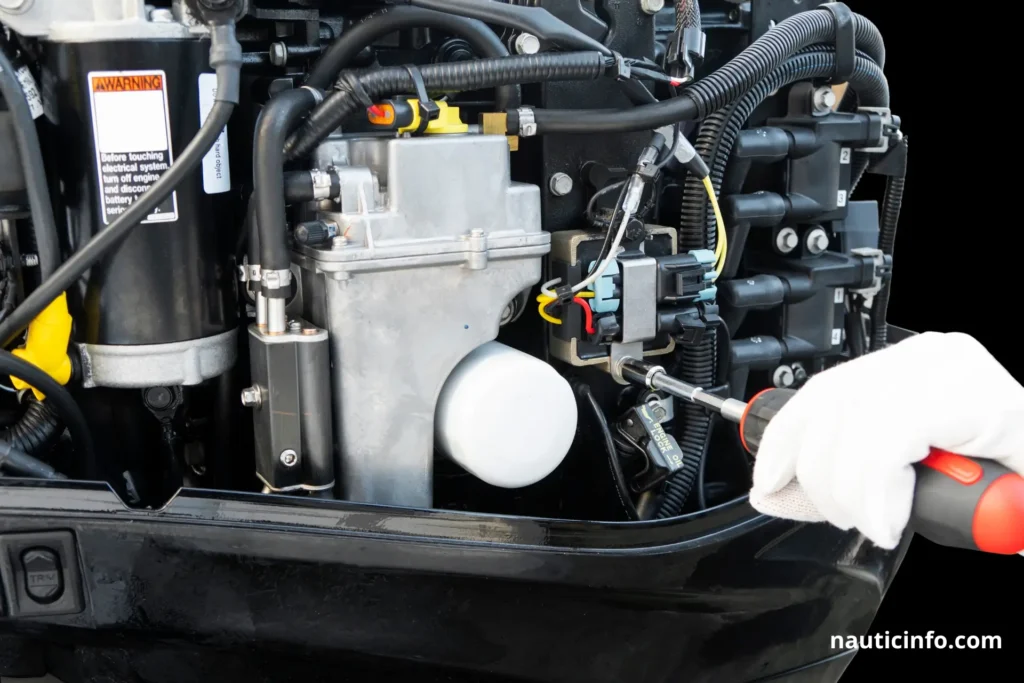
Regular maintenance is crucial to ensure optimal performance and longevity:
- Routine Inspections: Check oil levels, spark plugs, filters, and belts every few months or after 20 hours of use.
- Seasonal Maintenance: At least once a year—or every 100 hours—replace worn parts like impellers and lubricate moving components.
- Long-Term Care: After three years or 300 hours of operation, consider a comprehensive overhaul to replace seals and inspect internal components.
Proper storage is also vital. Flush the engine with fresh water after use in saltwater environments to prevent corrosion.
Comparing Gasoline Outboards to Electric Motors
While gasoline outboards dominate the market due to their power and range, electric motors have gained traction among eco-conscious boaters. Here’s how they compare:
| Feature | Gasoline Outboard Motors | Electric Motors |
|---|---|---|
| Power Output | Higher; suitable for large boats | Lower; best for small vessels |
| Range | Long; depends on fuel availability | Limited by battery capacity |
| Noise Level | Louder | Quieter |
| Environmental Impact | Emits pollutants | Zero direct emissions |
| Maintenance | Requires regular upkeep | Minimal maintenance |
| Initial Cost | Affordable entry-level options available | Higher upfront cost |
Gasoline motors remain ideal for those prioritizing speed and versatility over environmental concerns.
Innovations in Gasoline Outboard Technology
Recent advancements have made gasoline outboards more efficient than ever:
- Hybrid Systems: Some manufacturers now offer dual-fuel engines capable of running on both gasoline and CNG. These systems reduce fuel costs while maintaining performance4.
- Improved Fuel Injection: Modern EFI systems ensure precise combustion control, reducing waste and enhancing acceleration.
- Lightweight Designs: Compact models with advanced materials provide better power-to-weight ratios without sacrificing durability.
These innovations cater to evolving consumer demands for cleaner energy solutions without compromising functionality.
Conclusion
Gasoline outboard motors continue to be a reliable choice for recreational boaters across the United States. Their combination of power, versatility, ease of use, and technological advancements makes them indispensable for various boating activities—from fishing trips to coastal cruising.
By understanding the different types of engines available and adhering to proper maintenance routines, boaters can maximize their investment while enjoying smooth performance on the water. Whether you’re upgrading your current motor or purchasing one for a new vessel, gasoline-powered outboards remain an excellent choice for navigating America’s waterways.
For more information on boating essentials or expert advice on choosing an engine that suits your needs perfectly, visit NauticInfo.com—the ultimate resource for all things nautical!