
How to Choose a Boat Propeller : The Ultimate 2025 Guide
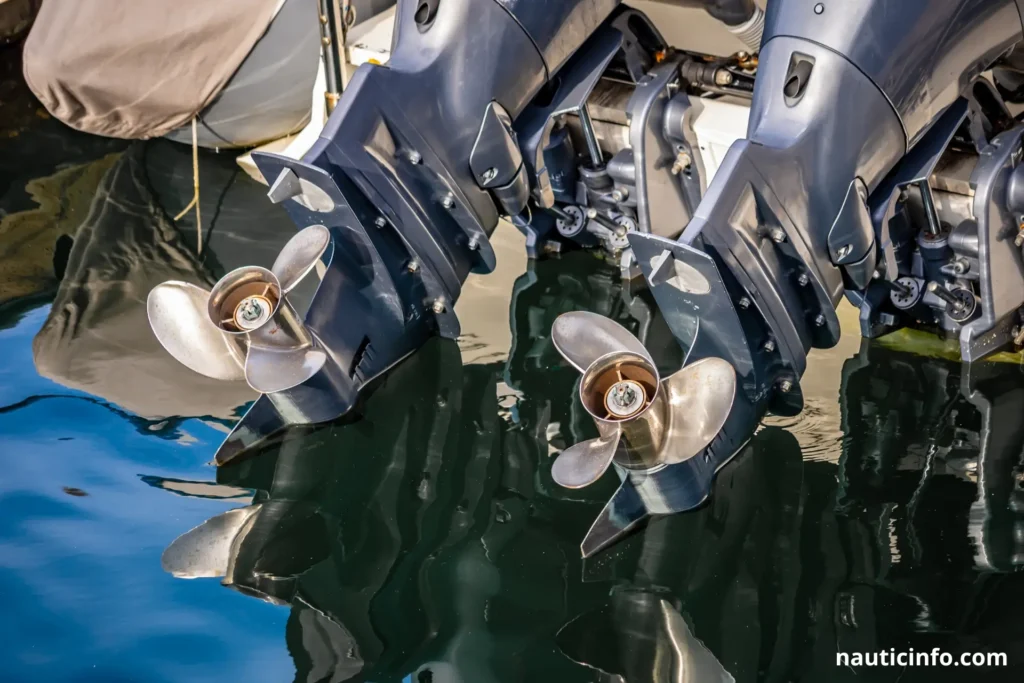
Choosing a boat propeller is key for optimal performance, safety, and fuel efficiency. Yet, with so many technical factors to consider – diameter, pitch, materials, blade count, and more – it can feel overwhelming. This 2025 guide breaks down the essentials, compares leading brands like SOLAS and Michigan Wheel, and helps you avoid costly mistakes. Whether you’re a seasoned captain or new to boating, you’ll gain the knowledge to choose the perfect boat propeller and elevate your experience on the water.
Key Figures:
- 15% fuel efficiency gain with proper pitch
- Stainless steel props last 2x longer than aluminum
5 Technical Factors to choose a Boat Propeller
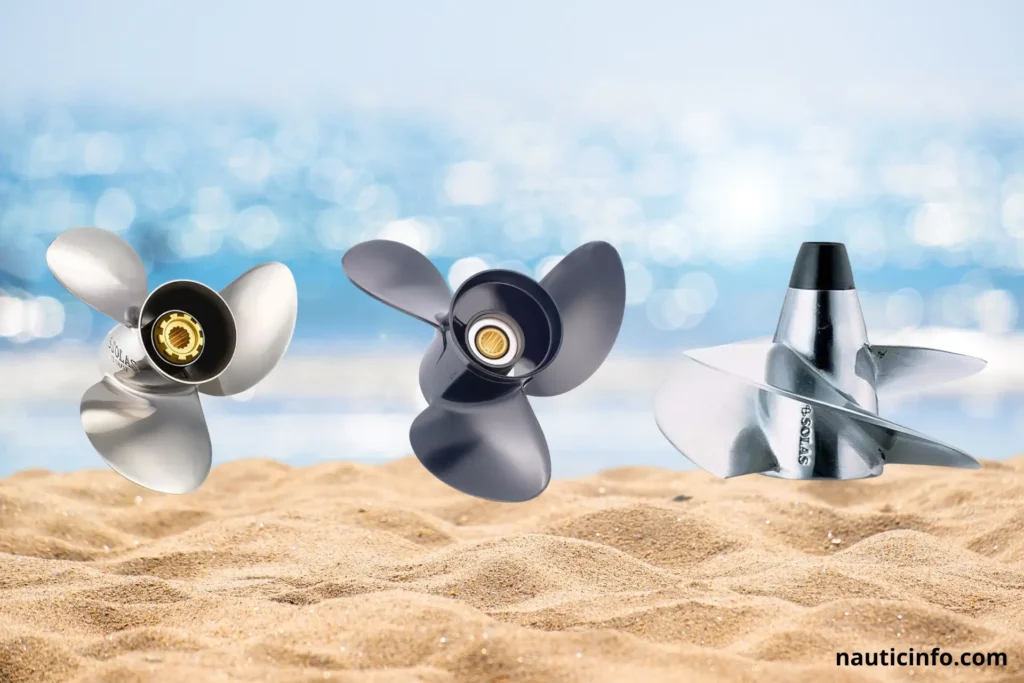
Diameter: Balancing Thrust and Engine Load
A 14-inch propeller generates 25% more thrust than a 12-inch model but requires precise engine alignment. For bass boats, diameters between 13-15″ are ideal for planing efficiency.
Pitch: The Speed vs Power Equation
Increasing pitch by 1″ reduces RPM by 150-200, critical for fuel optimization. Mercury Racing’s Pro Max series offers 22.5″-32″ pitch options with half-inch increments for fine-tuning.
Material Showdown: Aluminum vs Stainless Steel
Michigan Wheel’s stainless steel props withstand 3x more stress than aluminum equivalents, while Quicksilver’s Nemesis aluminum props offer budget-friendly durability.
Choose a Boat Propeller
Top 2025 Propeller Brands Compared
| Feature | SOLAS | Michigan Wheel | Quicksilver |
|---|---|---|---|
| Signature Technology | Hydrodynamic vents | CFD-optimized blades | PVS® tuning system |
| Best For | High-speed cruisers | Heavy-duty commercial | Recreational fishing |
Real-World Applications
Bass Boat Optimization
Mercury’s Pro Max 4-blade (14.5″ diameter, 24-32″ pitch) delivers 33% faster hole shots, ideal for tournament fishing.
Choose a Boat Propeller
FAQ: American Boaters’ Top Questions
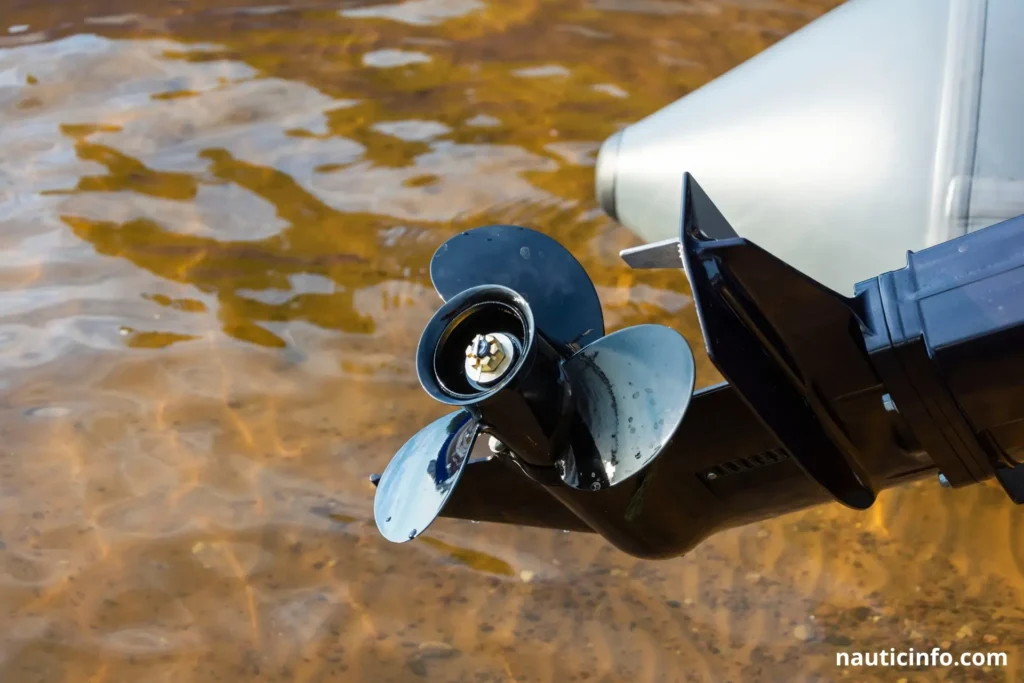
Saltwater vs Freshwater Props
Michigan Wheel’s NiBrAl alloy props resist salt corrosion 40% better than standard stainless.
What is the right propeller size for my boat?
Choosing the correct propeller size involves two key dimensions: diameter and pitch. Diameter is the overall size of the propeller from tip to tip, while pitch is the distance the propeller would move in one revolution if there were no slippage. The ideal size depends on your engine’s horsepower, your boat’s hull type, and your typical boating conditions. For example, a bass boat designed for speed will need a different prop size than a heavy fishing boat. Using a propeller that is too large or too small can cause your engine to overwork or underperform, reducing fuel efficiency and potentially causing damage.
How does propeller pitch affect performance?
Pitch controls how far your boat moves forward with each rotation of the propeller. A higher pitch means more speed but requires more engine power and can reduce acceleration. Conversely, a lower pitch increases acceleration but limits top speed. Proper pitch selection ensures your engine runs within its optimal RPM range, which improves fuel economy and engine longevity. If you notice your engine is revving too high or too low at wide-open throttle (WOT), adjusting the pitch may be necessary.
What material should my propeller be made of?
The most common materials for recreational boat propellers are aluminum and stainless steel. Aluminum props are affordable, lightweight, and easier to repair but wear out faster, especially in rocky or shallow waters. Stainless steel props are stronger, more durable, and maintain their shape better at high speeds, making them ideal for performance boats or harsh saltwater environments. Bronze is also used, mainly for inboard engines, offering excellent corrosion resistance and strength. Your choice depends on budget, boat type, and operating conditions.
Can a wrong propeller affect fuel efficiency?
Absolutely. An improperly sized or pitched propeller can cause your engine to run outside its ideal RPM range, leading to excessive fuel consumption. For instance, a prop with too high a pitch forces the engine to work harder, wasting fuel, while a prop with too low a pitch causes the engine to over-rev without gaining speed. Selecting the right propeller ensures your engine operates efficiently, saving fuel and reducing wear.
How do I know if my propeller is damaged or worn?
Look for signs like nicks, bends, or corrosion on the blades. Even small damage can cause vibration, reduce thrust, and increase fuel consumption. A worn trailing edge or cupping can decrease propeller efficiency by up to 15%. Regular inspection and timely repairs or replacements are essential to maintain performance.
What type of propeller is best for my boating style?
- Fishing and cruising: 3 or 4-blade stainless steel props offer a balance of speed and smoothness.
- Watersports (skiing, wakeboarding): 3-blade props with moderate pitch provide quick acceleration.
- Heavy load or commercial use: 4 or 5-blade props improve thrust and handling under load but may reduce top speed.
How do saltwater conditions affect propeller choice?
Saltwater is highly corrosive. Stainless steel and bronze props resist corrosion better than aluminum, which can oxidize faster. Some manufacturers offer special coatings or alloys (like NiBrAl) that improve saltwater durability by up to 40%. Regular rinsing with fresh water after use also prolongs propeller life.
Can I adjust or customize my propeller?
Yes, propeller shops can modify pitch, rake, or cupping to fine-tune performance for your specific boat and engine setup. This customization can improve acceleration, reduce cavitation, and optimize fuel consumption. However, such modifications should be done by professionals to avoid damaging the propeller or voiding warranties.
Choose a Boat Propeller : Conclusion
Selecting the right boat propeller is a vital investment in your boating experience. By carefully considering diameter, pitch, materials, and brands like SOLAS and Michigan Wheel, you’ll optimize performance, fuel efficiency, and overall enjoyment on the water. Don’t hesitate to consult expert resources and take the time to make an informed decision – the perfect propeller awaits!