
Automatic vs Manual Life Jackets: How to Choose for Safe Boating in the U.S.
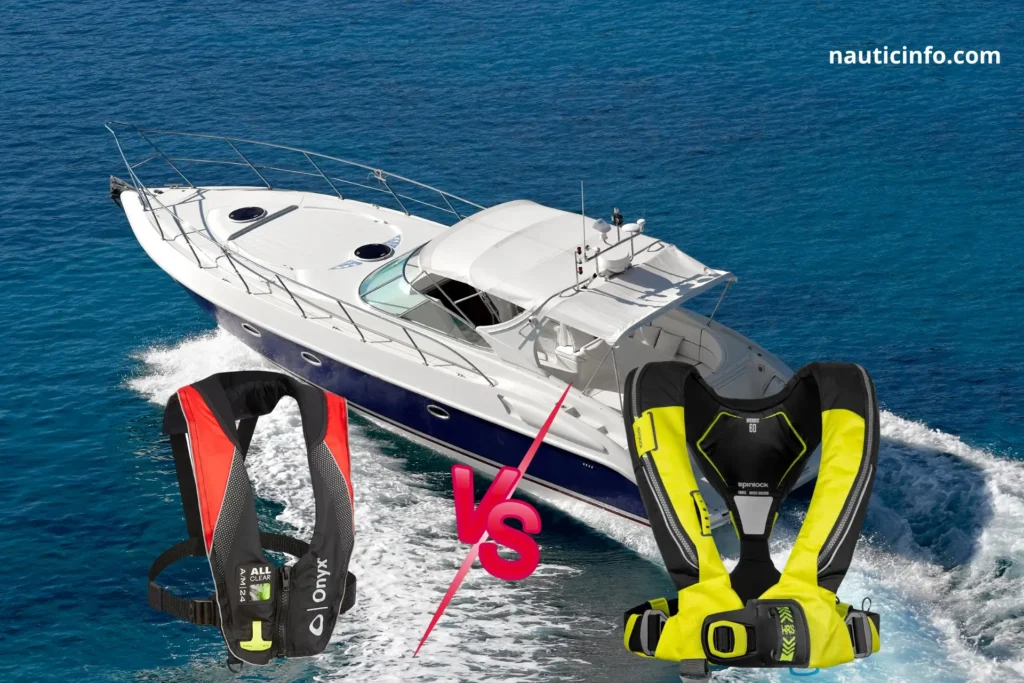
Automatic vs Manual Life Jackets, choosing between an automatic and manual inflatable life jacket is a critical decision for U.S. boaters. While automatic models activate upon water immersion, manual versions require a conscious pull of the inflation tab. But how do factors like boating style, local regulations, and budget influence this choice? This article breaks down mechanisms, costs, US Coast Guard (USCG) requirements, and maintenance best practices. Consequently, whether you’re sailing solo on Lake Michigan or fishing in shallow coastal waters, you’ll learn how to select the right personal flotation device (PFD). With 75% of drowning victims not wearing life jackets in 2023, this guide could save your life.
Why Choose an Automatic Inflatable Life Jacket?
Automatic life jackets, equipped with hydrostatic or dissolving pellet triggers, provide fail-safe protection during sudden emergencies. These USCG-approved Type V PFDs are ideal for offshore activities where unconsciousness risks are high, such as solo sailing or rough-weather fishing.
How Automatic Inflation Technology Works

Automatic life jackets use hydrostatic pressure sensors or UML dissolving salt pellets to activate. Hydrostatic models, like the Mustang Survival Hydrostatic, inflate at depths exceeding 4 inches (10 cm) by piercing a CO₂ cartridge with a spring-loaded needle. This process takes 3–5 seconds, ensuring buoyancy even if the wearer is incapacitated. In contrast, UML systems rely on water-soluble tablets that dissolve upon contact, releasing the gas-a design prone to accidental activation in splashes but valued for its simplicity.
The Critical Role of Automatics in Solo Boating
The 2023 USCG report revealed that 564 boating fatalities occurred, with 87% of drowning victims not wearing life jackets. Automatic models address this gap by providing immediate flotation during falls overboard. For example, the Mustang Survival MIT 35 combines a hydrostatic trigger with a manual override, making it indispensable for single-handed sailors on the Great Lakes or offshore anglers in Alaska. Its 35–40 lbs of buoyancy keeps the wearer’s airway clear, even in heavy swells.
Automatic vs Manual Life Jackets, when Manual Life Jackets Shine
Manual inflatable PFDs (also Type V) offer controlled activation, making them suitable for calm inland waters or activities with frequent water exposure.
Optimal Scenarios for Manual Activation
In shallow waters or high-splash environments-think kayaking in the Everglades or wakeboarding on Lake Tahoe-manual PFDs prevent accidental inflation. The Onyx A/M-24, a hybrid manual/automatic model, allows users to disable the auto-trigger via a toggle switch, ideal for paddleboard instructors or parents supervising children near docks. However, this requires constant vigilance: a 2023 study found that 30% of manual PFD users failed to activate them during simulated emergencies due to panic.
Avoiding User Error with Manual PFDs
Proper training and maintenance are non-negotiable. The USCG mandates that manual inflatables be worn at all times and serviced annually. Key steps include:
- Testing CO₂ cartridges monthly for corrosion
- Rearming kits after accidental deployments
- Practicing inflation drills in calm and rough conditions
The Bluestorm Stratus 35 simplifies this process with a color-coded rearm indicator and tool-free cartridge replacement.
Technical Comparison: Automatic vs Manual Life Jackets
| Feature | Automatic Life Jacket | Manual Life Jacket |
|---|---|---|
| Activation | Water immersion (>4″) | Manual pull tab |
| USCG Type | Type V (with conditions) | Type V |
| Average Cost | $180–$400 | $100–$250 |
| Maintenance | Annual hydrostatic sensor checks | Monthly pull-tab inspections |
| Best For | Offshore, solo boating | Inland waters, water sports |
Cost Analysis and Lifespan
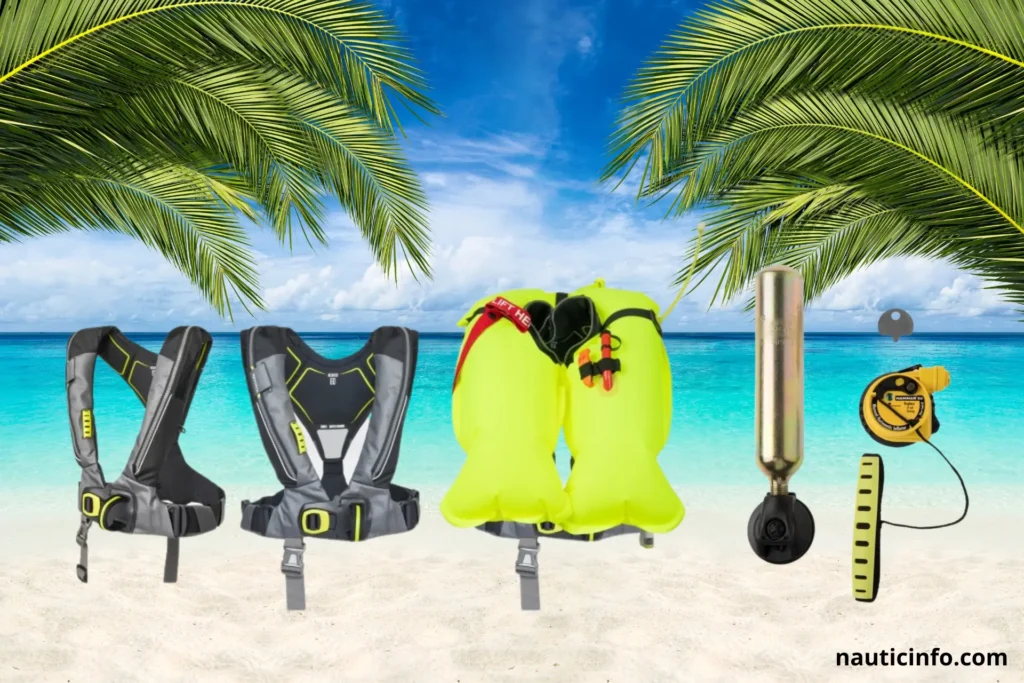
Automatic models like the Mustang Survival HIT cost 60–80% more than manual options but offer longer warranty periods (5 years vs. 3 years). However, hydrostatic sensors require professional servicing every 2 years at $50–$75 per inspection. Manual PFDs, such as the Rrtizan Budget Manual, have lower upfront costs but demand rigorous DIY maintenance to avoid failure-a trade-off highlighted in a 2022 National Safe Boating Council study.
Automatic vs Manual Life Jackets, USCG Regulations Simplified
Under federal law:
- All vessels must carry one USCG-approved wearable PFD (Type I–V) per person.
- Inflatables are legal only for those aged 16+ and must be worn to count toward compliance.
- Type V PFDs must be used according to their label restrictions (e.g., “For sailing only”).
California adds stricter rules: Children under 13 must wear PFDs on moving boats, and all PWCs require Type I–III life jackets.
Buying Guide: Match Your Boating Style
5 Key Criteria for American Boaters
- USCG Approval: Look for the approval number on the label-Type V inflatables must specify “approved when worn.”
- Buoyancy: 30–35 lbs for offshore (>22 lbs meets Type I standards); 20–25 lbs for inland.
- Comfort: The Spinlock Deckvest 6D uses 3D mesh panels to reduce chafing during 10-hour fishing trips.
- Visibility: Opt for neon colors with SOLAS-grade reflective tape, as found on the Crewsaver Ergofit 180N.
- Accessories: D-rings for safety tethers (critical for offshore) and pockets for PLBs or whistles.
Top 3 Automatic Life Jackets for 2024
- Mustang Survival MIT 100: Hydrostatic trigger, 35 lbs buoyancy, and integrated harness.
- Spinlock Deckvest 5D: Deck-mountable rearm kit and anti-exposure collar.
- Bluestorm Gear Atmos 40: Budget-friendly hybrid with oral inflation backup.
Maintenance Mistakes That Cost Lives
CO₂ Cartridge Inspection Protocol
- Check Expiry Dates: Cartridges expire 3 years after manufacture-note the stamped date.
- Test for Leaks: Submerge uninflated PFDs in a bathtub; bubbles indicate a faulty valve.
- Repack Properly: After accidental deployment, use manufacturer-approved rearm kits to avoid misfolds.
Real-Life Near-Miss: A Lesson from Lake Superior
“During a sudden squall, my manual PFD’s corroded pull tab snapped. I barely activated it via the oral tube. Now I inspect my gear before every trip.” – Jake, charter captain in Duluth, MN.
In conclusion, 75% of 2023 boating deaths involved individuals without proper life jackets. Whether you choose automatic or manual, prioritize USCG compliance, regular maintenance, and activity-specific features. Remember: A $300 life jacket is worthless if its cartridge expired in 2020. Stay safe on American waters by making informed choices-your life depends on it.