

GPS, PLB & EPIRB : How to Choose the Best Technology to Save Lives?
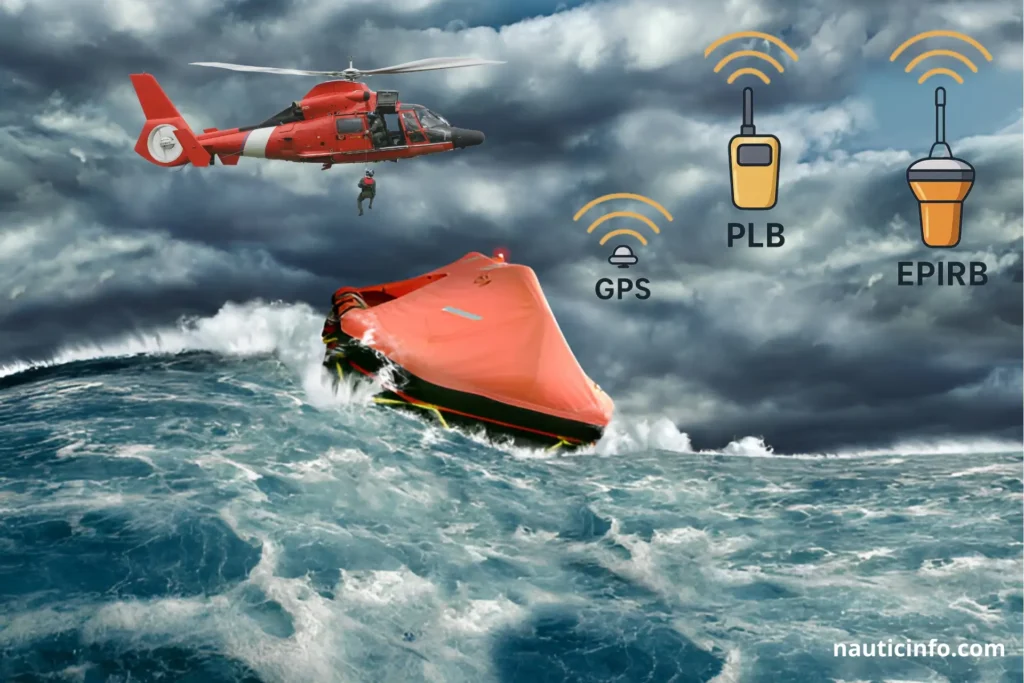
In 2023, U.S. Coast Guard search and rescue operations saved thousands of lives thanks to advanced emergency beacon technologies. Understanding how to choose the right device-whether a GPS, Personal Locator Beacon (PLB), or Emergency Position Indicating Radio Beacon (EPIRB)-is critical for every boater’s safety.
GPS vs PLB vs EPIRB : What Are the Differences for Saving Lives?
How Does an EPIRB Work in an Emergency?
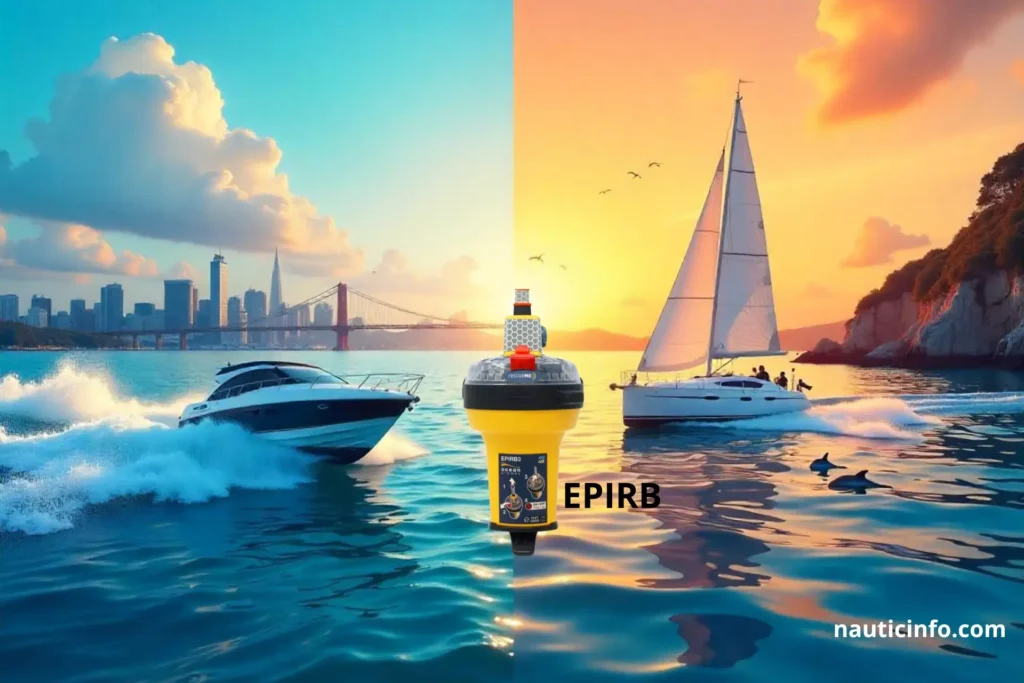
An EPIRB is a maritime emergency beacon transmitting on the 406 MHz frequency monitored by the international COSPAS-SARSAT satellite system. It can be activated manually or automatically. Automatic activation occurs when the device is released from its mounting bracket, usually triggered by water pressure when a vessel sinks 3 to 10 feet deep. Once free, the EPIRB floats to the surface and sends distress signals, including GPS location if integrated, to rescue coordination centers like the U.S. Coast Guard. EPIRBs typically have a battery life of 48 hours, ensuring prolonged signaling during emergencies.
Why Choose a PLB for Coastal Navigation?
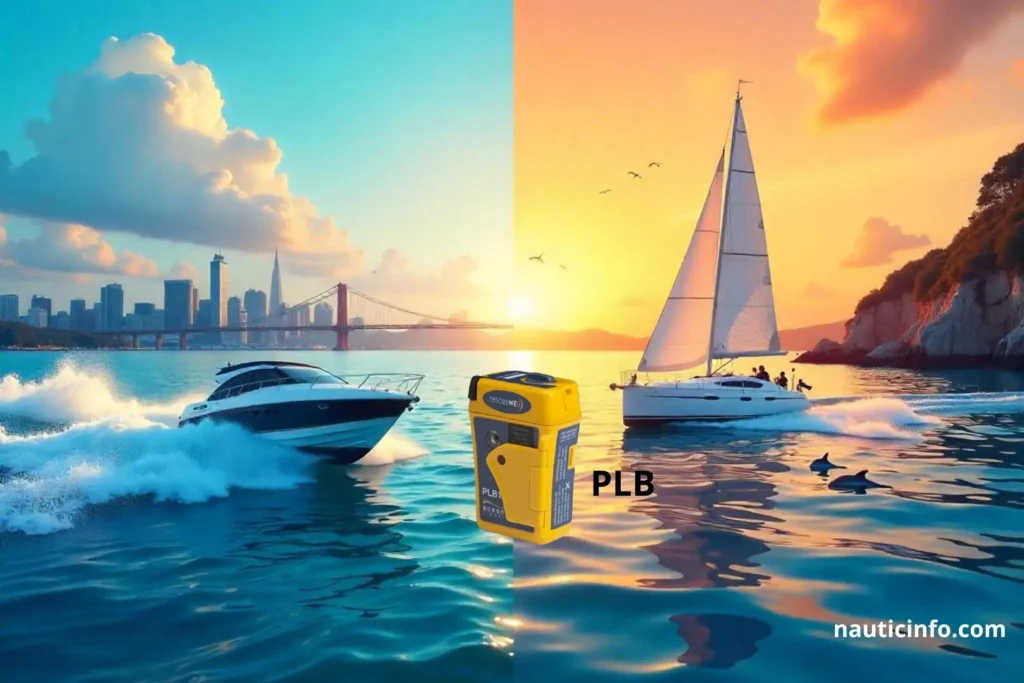
A Personal Locator Beacon (PLB) is a compact, portable device designed for individual use. It operates on the same 406 MHz frequency as EPIRBs but usually has a shorter battery life-around 24 hours. PLBs are ideal for coastal or inland boating, hiking, or other outdoor activities where quick personal location is needed. However, for offshore or extended voyages, PLBs are not a substitute for EPIRBs, which are required by U.S. regulations for vessels operating beyond 2 nautical miles offshore.
GPS Devices: Essential but Not a Substitute for Distress Beacons
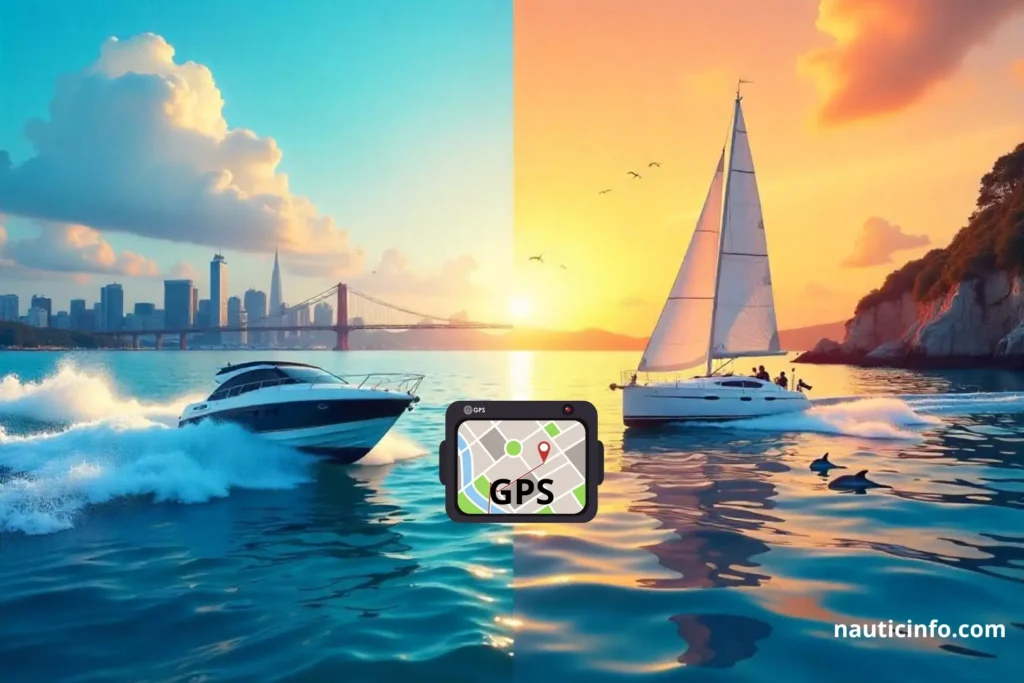
While GPS receivers provide precise navigation and position data, they do not transmit distress signals. They are critical for safe navigation but cannot alert rescue services in emergencies unless paired with a distress beacon. GPS data integrated into EPIRBs and PLBs enhances rescue accuracy but standalone GPS units lack this life-saving function.
GPS PLB & EPIRB Buyer’s Guide: Choosing Your Rescue Technology in 2024
5 Key Criteria to Compare Distress Beacons
- Type of Navigation: EPIRBs are mandatory for offshore and commercial vessels; PLBs suit coastal and personal use.
- Battery Life: EPIRBs offer 48 hours; PLBs provide about 24 hours.
- Price Range: EPIRBs cost around $900 and up; PLBs range from $300 to $500.
- Registration: Both must be registered with NOAA’s National Beacon Registry in the U.S.
- Additional Features: Some models include strobe lights, 121.5 MHz homing signals, or GPS integration for faster location.
Real-Life Rescue Cases Demonstrating Technology Effectiveness
In 2023, a solo sailor in the Pacific Northwest activated his EPIRB manually after capsizing. The distress signal was received within 30 minutes by the Coast Guard, enabling a timely rescue. Another incident involved a coastal kayaker whose PLB alerted rescuers after becoming stranded. These examples highlight how choosing the right device for your boating environment can be lifesaving.
GPS PLB & EPIRB FAQ: Your Questions Answered
Is a PLB Enough for a Worldwide Circumnavigation?
No. U.S. regulations and international maritime law require an EPIRB for offshore and oceanic voyages. PLBs are supplementary and best used for coastal or personal emergency signaling.
How Do You Cancel a False Alarm from a Distress Beacon?
If a distress beacon is accidentally activated, immediately contact the nearest rescue coordination center (e.g., the U.S. Coast Guard) to cancel the alert. For EPIRBs and PLBs, follow manufacturer instructions to disable the device, such as removing the battery or using cancellation procedures on your VHF DSC radio.
**Did You Know?**
The first maritime distress beacons used Morse code signals in the late 19th century. Since the introduction of satellite-based EPIRBs in 1982, average rescue times have dropped from 6 hours to under 45 minutes, dramatically improving survival rates.
User Testimonial:
“When my sailboat capsized off the California coast, my EPIRB automatically deployed and sent a signal. The Coast Guard found me within an hour, saving my life.” – John, experienced sailor.
Comparison Table of GPS, PLB, and EPIRB
| Feature | GPS Receiver | PLB | EPIRB |
|---|---|---|---|
| Emergency Signal | No | Yes (406 MHz) | Yes (406 MHz) |
| Activation | Manual (navigation) | Manual | Manual & Automatic |
| Battery Life | N/A | ~24 hours | ~48 hours |
| Regulatory Requirement | No | No | Yes (offshore vessels) |
| Average Price | $200-$500 | $300-$500 | $900+ |
In conclusion, selecting the right emergency signaling device depends on your boating style and navigation area. For offshore and extended voyages, an EPIRB is essential. For coastal trips and personal safety, a PLB complements your safety gear. GPS remains vital for navigation but must be paired with a distress beacon to save lives.