

Wake Up the Beast: 5 Critical Checkpoints Before De-winterizing Your Boat Engine
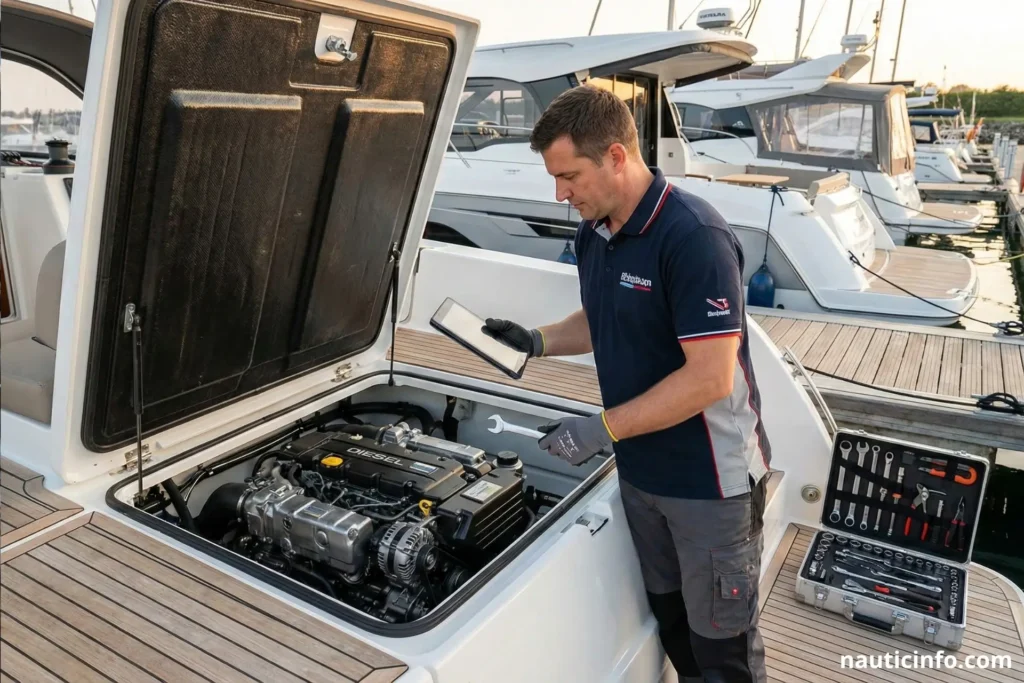
Spring is finally here. The cover is coming off, the sun is hitting the fiberglass, and you can almost smell the open water. However, before you rush to turn that key, you need to pause. Attempting to start a marine engine that has sat dormant for months without a proper inspection is a recipe for disaster. In fact, most catastrophic engine failures happen during the very first trip of the season. Therefore, we have compiled the ultimate guide for de-winterizing your boat engine. Whether you are running a classic 350 Mag inboard, a massive outboard, or a stern drive, these 5 critical checkpoints will ensure your season starts with a roar, not a tow.
Why Proper De-winterizing Your Boat Engine Matters
You might be thinking, “I winterized it perfectly, so why worry?” Here is the reality: condensation, corrosion, and dry rot do not take a break during the winter. Consequently, fluids settle, seals dry out, and fuel degrades.
If you skip these checks, you aren’t just risking a stall; you are risking cracked blocks, blown head gaskets, or an electrical fire. Furthermore, taking the time now saves you thousands of dollars in repair bills later. Let’s dive deep into the mechanics of a successful spring launch.
Checkpoint 1: The Fuel System—The Silent Killer
Fuel issues are, without a doubt, the number one reason for spring breakdown calls in the US. Modern ethanol-blended fuel (E10) is notorious for “phase separation,” where water separates from the gas and sinks to the bottom of the tank.
Inspecting for Phase Separation and Leaks
First, if you have a fuel/water separator (and you should), remove the filter and pour the contents into a clear glass jar. Let it sit for a minute.
- The Test: If you see distinct layers or debris at the bottom, your fuel is compromised.
- The Fix: You may need to have the tank polished or pumped. However, if the fuel looks clean, simply install a fresh filter.
Fuel Lines and Priming bulb
Next, physically run your hands along the fuel lines. You are looking for cracks, brittleness, or soft spots caused by ethanol degradation.
- Squeeze the Primer Bulb: On outboards, the bulb should be firm. If it stays flat or feels crunchy, replace it immediately.
- Clamps: Ensure all hose clamps are tight. Cold weather causes metal to contract, often loosening these connections.
Pro Tip: Always start the season with a fresh dose of high-quality fuel stabilizer and shock treatment, even if you added some in the fall. It cleans the injectors as you run the first tank.
Checkpoint 2: The Cooling System—Protecting the Heart
When de-winterizing your boat engine, the cooling system is arguably the most critical component to inspect. If your engine cannot cool itself, it becomes a giant paperweight in a matter of minutes.
The Water Pump Impeller
This small rubber wheel is the heart of your cooling system. During winter, the rubber vanes can take a “set” (stay bent in one position) or become brittle and crack.
- The Rule of Thumb: If you didn’t change it last fall, change it now. It is a cheap insurance policy.
- Inspection: If you have a sea strainer, open it up. Clean out any dried grass or debris. Ensure the gasket provides a tight seal.
Hoses and Thermostats
Subsequently, inspect every cooling hose. Squeeze them firmly. They should feel firm but pliable.
- The Danger Sign: If a hose feels rock hard or sounds “crunchy” when squeezed, it is rotting from the inside out. Replace it.
- Thermostat Housing: Check for white powdery residue around the housing edges. This indicates a slow leak that occurred last season and has corroded over winter.
Checkpoint 3: Fluids—The Lifeblood of De-winterizing
Before you even think about engaging the starter, you must verify the condition of your engine oil, power steering fluid, and coolant (if closed cooling).
Engine Oil Analysis
Pull the dipstick. You are not just looking at the level; you are looking at the condition.
- Golden/Brown: Good to go.
- Black/Thick: Should have been changed in the fall, but change it now before running.
- Milky/Chocolate Milk: STOP. This indicates water in the oil. This could be from condensation, or worse, a cracked block from improper freezing protection. Do not start the engine; call a professional.
Power Trim and Steering Fluids
Check your reservoirs. Low levels here can indicate a blown seal. For hydraulic steering, check the rams by the engine for any leaking fluid. A stiff steering wheel on the first day is dangerous and exhausting.
Checkpoint 4: Electrical System & Ignition
Batteries are chemically active devices that hate cold storage. Even if kept on a trickle charger, they need a physical inspection as part of de-winterizing your boat engine.
Battery Terminal Hygiene
Remove the wing nuts (which should technically be hex nuts for better torque) and clean the posts with a wire brush until they shine like silver.
- Why? A thin layer of invisible oxidation can create resistance, causing the starter to drag or electronics to flicker.
- Reconnect: Reattach the cables—Positive (Red) first, Negative (Black) last. Tighten with a wrench, not just your fingers.
Distributor Cap and Spark Plugs (Gas Engines)
If you have a distributor, pop the cap. Look for green corrosion on the contacts. If present, replace the cap and rotor.
- Spark Plugs: Remove one plug to inspect. If it is fouled with carbon or oily, chances are the others are too. New plugs ensure a crisp, efficient start and better fuel economy.
Checkpoint 5: Belts, Hoses, and The Lower Unit
Finally, we move to the external rubber components and the drive system. This is the last line of defense before the boat hits the water.
The Serpentine Belt
Press your thumb on the longest run of the belt. It should not deflect more than 1/2 inch.
- Visual Check: Turn the engine over by hand (or bump the starter) to inspect the underside of the belt. Look for missing ribs or transverse cracks. A snapped belt means no alternator, no water pump, and immediate overheating.
The Lower Unit / Drive Oil
If you didn’t change the gear lube in the fall, crack the bottom drain screw slightly.
- Clear/Amber Oil: Excellent.
- Water Coming Out First: Bad news. Water is heavier than oil and settles at the bottom. This means your prop shaft seals are shot.
- Metal Shavings: Fine dust is normal; chunks are not.
The “First Start” Procedure: Doing It Safely
Now that you have completed the 5 checkpoints for de-winterizing your boat engine, you are ready to fire it up. Do not just turn the key. Follow this sequence:
- Water Source: Hook up the “muffs” to the water intake and turn the garden hose on full blast. Never start an engine “dry.”
- Blower: Run the bilge blower for 4 minutes minimum to evacuate fumes.
- Prime: Pump the throttle (for carbureted engines) or cycle the key (for EFI) to prime the fuel system.
- Crank: Turn the key. Do not crank for more than 10 seconds at a time to save the starter.
- Immediate Check: Once it starts, immediately look back at the exhaust. Is water coming out? If not, shut down within 10 seconds.
- Warm Up: Let it idle. Check for leaks around the hoses and filters you inspected.
DIY vs. Professional Spring Commissioning
Should you do this yourself or pay a pro? Here is a breakdown to help you decide.
| Feature | DIY De-winterization | Professional Service |
| Cost | Low ($50 – $150 for parts) | High ($300 – $600+) |
| Time Required | 2 – 4 Hours | 0 Hours (Drop off & Pick up) |
| Expertise Needed | Moderate (Basic Tools) | None |
| Risk Factor | Medium (If steps are missed) | Low (Guaranteed work) |
| Best For | Routine checks, fluid top-offs | Major repairs, ECU scanning |
Summary De-winterizing Boat Engine : A Checklist for Success
To summarize, a successful boating season is built in the driveway or the boatyard before the hull ever touches the water. By methodically inspecting the Fuel, Cooling, Fluids, Electrical, and Drive systems, you are ensuring reliability.
Don’t rush the process. An hour spent now prevents a weekend ruined towing your boat back to the ramp while everyone else is enjoying the sunset.
FAQ : Quick Answers
Q: Can I use automotive oil in my boat?
A: No. Marine engines run at much higher RPMs and under heavier loads than cars. They require specialized marine oil with anti-corrosion additives.
Q: How do I know if my battery is truly dead?
A: Use a multimeter. A fully charged battery should read 12.6 Volts or higher. Anything below 12.2 Volts is significantly discharged.
Q: My engine cranks but won’t start after winter. What is it?
A: Usually, it’s the safety lanyard (kill switch) or the gear shifter isn’t perfectly in “Neutral.” Check those first!